Get the Botany education you wish you’d had.
The Secret:
Plant Families!
Know one plant in a family… and you know them all.
Regenerate soil. Garden better.
Forage safely. Harvest more.
Preserve easily. Heal simply.
Teach your kids plant skills for life!
Got an hour? Learn 3 Ways…

1. Plant Family Diversity Combos
Add diversity to your soil by learning how to plant multiple plant families together for better soil, higher yield, disease and pest resistance, and increased soil biology.

2. Guided Self-Study Group
Join a small group for a guided, 6 week, plant family self-study. Private, community discussion forum with the option to buy a customized class workbook at the end.
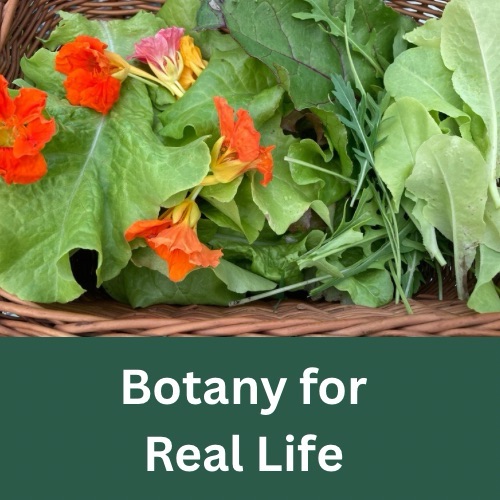
3. Botany for Real Life
For families that want to live what they learn. In about an hour a week, you can learn the essential Botany that you need to master plant identification, garden successfully, and use plants in real life.
What people are saying…
“This is way more fun than learning from a book.”
~ Sal Y.
“I highly recommend this class. It was a great way to learn about the amazing world of botany! My son said, “I never knew Botany could be so much fun!”.”
~ Lisa VH
“My family loved this class! The children and I learned so much – we love going on nature walks and try to identify and classify the plants and trees.”
~ Giovanna D.
Basic Course
You can be outdoors finding plants you know in just under an hour! Learn the four most commonly found plant families.
$55 – Basic Course
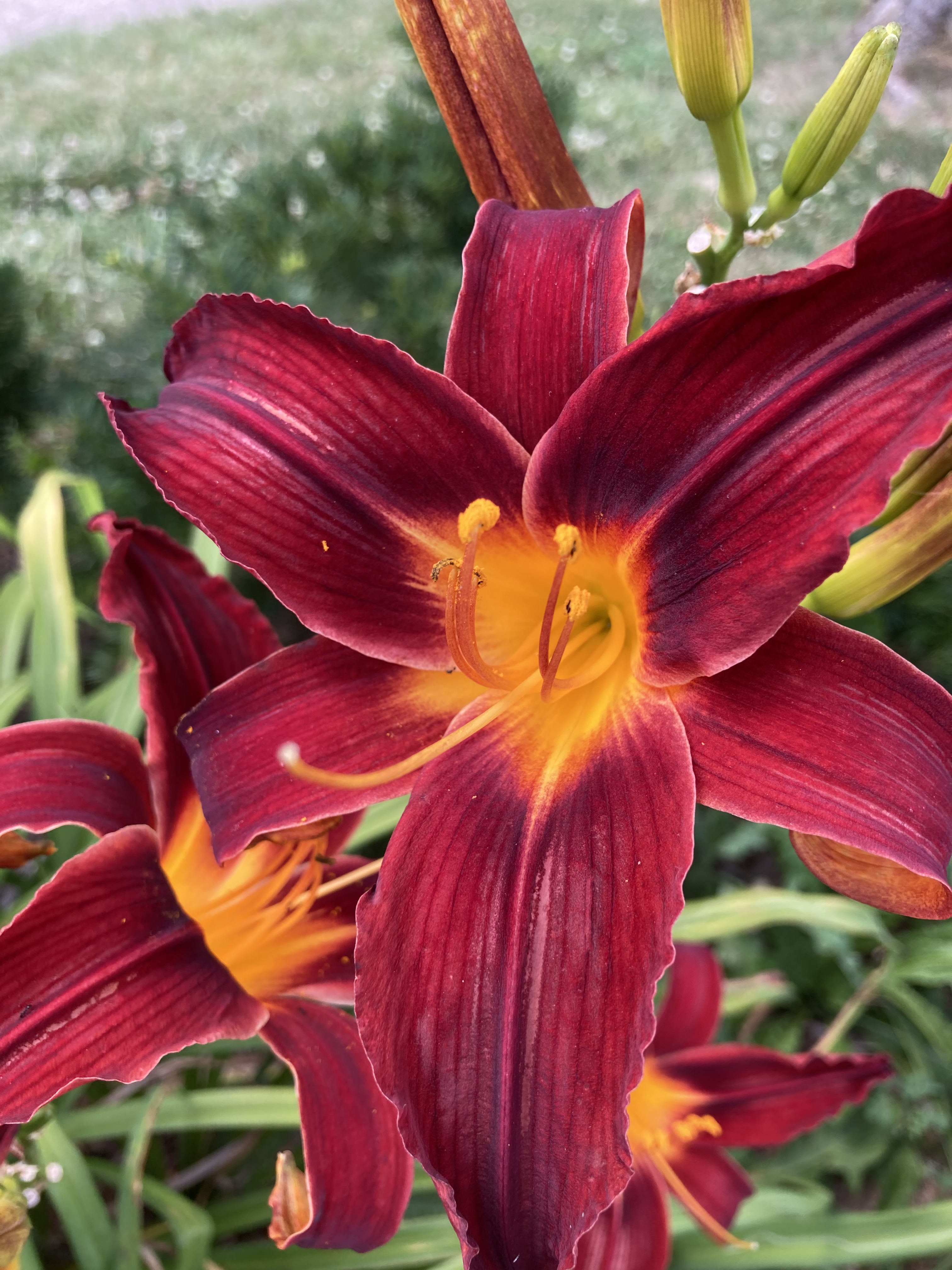
Advanced Course
Expand your skills to recognize and use the four families taught in the Basic Course, plus add four new ones to your skill set.
$95 – Advanced Course
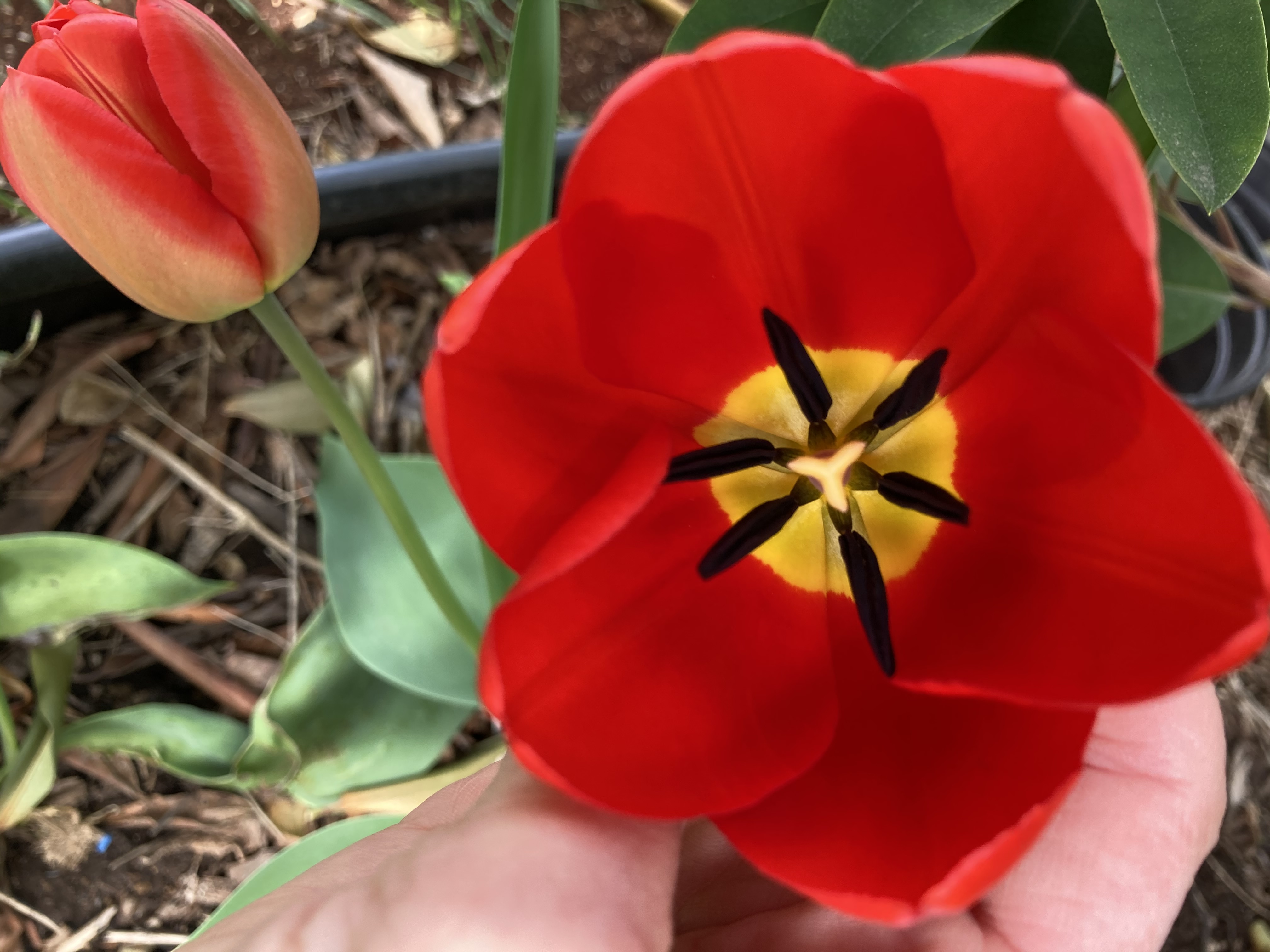
Challenge Course
Don’t stop now! Maximize your learning. Learn to recognize and use 16 plant families. You’re up to it! Accept the challenge!
$175 – Challenge Course

Freebies!
Free articles and downloads on botany basics, herbal medicine, plant identification, soil biology, teaching your kids Botany and more!
Frequently Asked Questions
Why should I learn plant families?
Plant families are the secret key to learning plants quickly and easily. When you learn plant families, you learn whole groups of plants rather than tediously studying one plant at a time. Plant families are also the secret to building healthy soil.
How will learning plants in their family groups benefit me?
Once you know what plants are part of which plant family, you can make educated decisions on companion planting, growing conditions, pests and diseases, best uses and preserving of what you grow, planting and harvest times, whether a plant might have medicinal properties, and so much more.
How can I learn about plant families on my own?
Grab journal and pick out a plant that you know really well. Write down everything you know about that plant. Now look up what plant family that plant is in. Then look up a list of the other plants that are in that same family. Guess what? All that stuff you wrote down about that first plant. You can probably apply most of it to all the other plants in the family as well. Know one plant in a family and you know them all!
What if I don’t have a lot of time to study?
No problem. This method is simple and easy. I teach it it four-year-olds all the time. You don’t have time not to learn plant families because once you know what family group a plant is part of, you can know so much about it.
Will knowing plant families really make my garden better?
Yes! Once you know what plants are part of what family, you can quickly and easily add more diversity in your garden when you plant more plant families together in the same garden space. This will improve your soil health, ward off disease, and naturally fertilize your garden.
What other ways can plant families help me?
People with plant based food allergies and food sensitivities benefit from knowing plant families as it can help them determine what other foods may be botanically related to the foods they react to and what they should be eating instead. Mystery food reactions can sometimes be corrected by avoiding the other botanically related foods. Subscribe below to be notified of my upcoming “Foods by Plant Family Guidebook.”

Meet Your Instructor
Hi. I’m Rachel Parks. I’m an elementary school teacher and homeschool mom. I’ve been teaching botany and plant identification to kids and their grown-ups in NY and NJ for almost 10 years. Let me teach you how to recognize and remember plants so that you can build heathly soil soil and create a thriving, regenerative ecosystem in your garden containers, backyard garden, or homestead. The secret: knowing your plant families!
Contact us
Email: hello@botanyinanhour.com
YouTube: @botanyinanhour
Facebook: @botanyinanhour
Instagram: @botanyinanhour